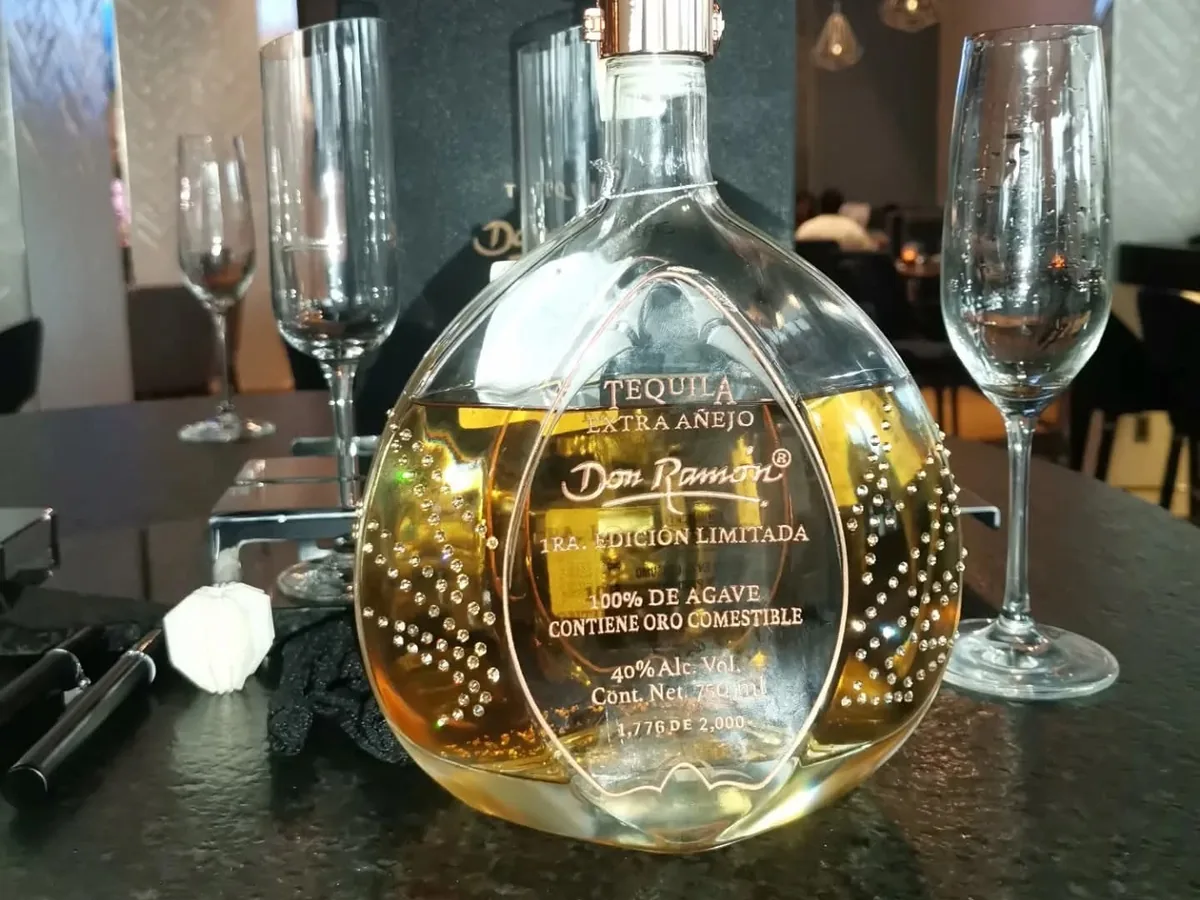
“100% agave,” “reposado,” “40% ABV”: a tequila label answers several different questions at once. Reading those details makes choosing a bottle easier, whether you want a quiet tasting or a well-balanced cocktail.
Understanding the label
What does 100% agave mean?
It identifies the source of fermentable sugars: all come from the blue agave specified for tequila. It does not mean the bottled drink is pure alcohol, and it is not the same as an additive-free claim.
The Tequila Regulatory Council explains this category alongside the classes blanco, joven, reposado, añejo and extra añejo. Category and class tell you different things, so read both.
Does darker tequila mean better tequila?
Color alone cannot establish quality. Aging can change a spirit's aroma and texture, but your preferred style may be a blanco. Choose for the flavors you enjoy and the way you plan to serve it.
Calories and ingredients
Is tequila calorie-free?
No. Alcoholic drinks supply calories, as the US National Institute on Alcohol Abuse and Alcoholism explains. The amount you pour and the ingredients in a mixed drink matter. “100% agave” does not mean “zero calories.”
Claims that a particular tequila is a weight-loss drink deserve skepticism. For a cocktail, look at the complete recipe rather than judging it by the spirit's name.
Serving and tasting
Do I need salt and lime?
They are optional accompaniments. To learn what the tequila tastes like, start with a small pour in a clean tasting glass. Smell gently, take a small sip and pause before trying it with anything else.
Which tequila should I use in a margarita?
Start with a bottle whose agave profile you enjoy. A blanco is a useful starting point; a reposado can work if its character suits the recipe. Fresh citrus, measured ingredients and consistent chilling matter too.
How is tequila different from mezcal?
They follow separate production rules and protected origins. Mezcal can use other agave species, and smoke is not a reliable dividing line on its own. Read mezcal vs tequila for a closer comparison of the plant, process and finished drink.